Small Repairs Prevent Larger Failures Down the Road
Asphalt Services provides targeted asphalt patching in Denver and surrounding areas for potholes and damaged sections on residential and commercial properties.
Asphalt Services handles asphalt patching for potholes, cracks, and deteriorated sections across Denver and surrounding areas. You need fast repairs when pavement damage starts to spread, especially in high-traffic areas where potholes can damage vehicles or create tripping hazards. A small pothole expands quickly once water seeps into the base and freezes, so addressing the damage early prevents the need for larger, more expensive repairs later.
The patching process involves removing loose material, cleaning the damaged area, applying a tack coat, and filling the void with hot asphalt. The patch is compacted to match the surrounding surface and sealed at the edges to prevent water infiltration. You end up with a safe, drivable surface that stops further deterioration and restores the pavement's structural integrity.
If you have potholes or damaged asphalt in Denver or the surrounding areas, reach out to schedule a repair before the problem grows.
How Patching Restores Safety and Slows Pavement Breakdown
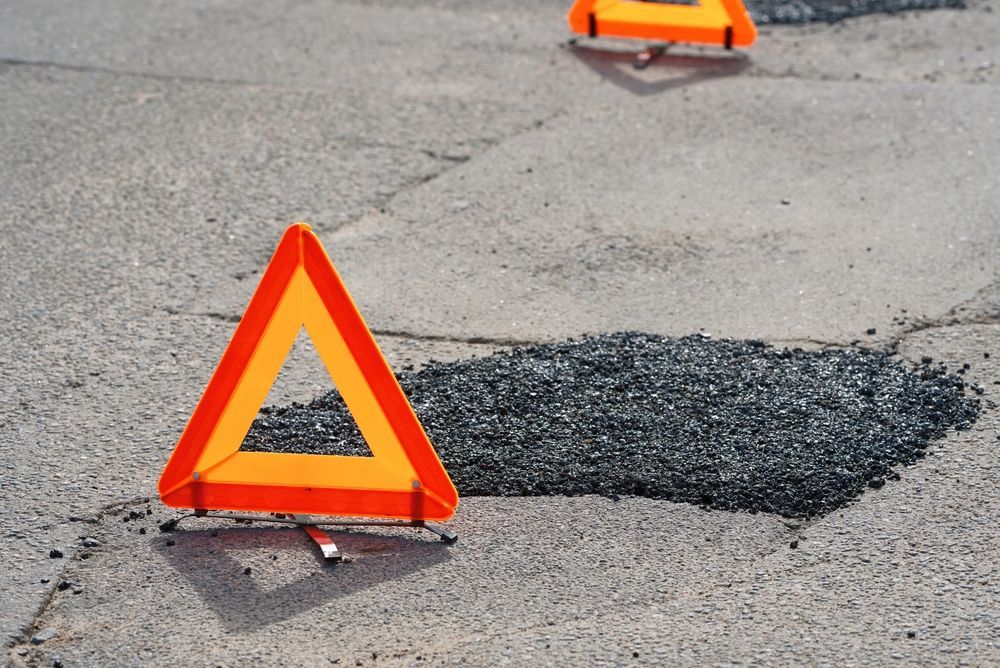
You need patches that bond to the existing pavement and hold up under traffic. Asphalt Services cuts the damaged area to clean edges, removes failed material down to stable base, and fills the void with compacted hot mix. The tack coat ensures the new asphalt adheres to the old surface rather than separating under load. Compaction is done with a plate tamper or roller, depending on the patch size, to eliminate voids and match the grade of the surrounding pavement.
After the patch is complete, you'll notice the surface is level, the edges are sealed, and the repaired area supports vehicle weight without settling or cracking. The patch stops water from reaching the base, which prevents further erosion and extends the life of the surrounding pavement. You also eliminate the safety risk posed by uneven surfaces or deep potholes.
Patching is a cost-effective maintenance solution, but it works best when the surrounding pavement is still structurally sound. If the entire surface is failing, patching may only provide temporary relief. Asphalt Services does not include full resurfacing as part of patching service, but the crew can assess whether broader repairs are needed during the site visit.
Common Questions About Asphalt Patching and Repair Timing
Here are answers to common questions about how patching works, when it's needed, and what results to expect.
What causes potholes to form? Potholes develop when water seeps through cracks into the base, freezes and expands, then thaws and leaves voids that collapse under traffic weight.
How soon can the patched area be driven on? Hot mix patches can typically handle light traffic within a few hours once the asphalt cools and compacts, though full curing continues over several days.
Why do some patches fail quickly? Patches fail when the base is not properly prepared, the edges are not sealed, or the surrounding pavement is too deteriorated to support the repair.
Can patching be done in cold weather? Cold temperatures make asphalt harder to compact and slow bonding, so patching is most effective when daytime temperatures in Denver stay above 50 degrees.
Asphalt Services provides fast service and fair estimates for patching projects. Contact them to schedule a repair and keep your pavement safe and functional in Denver or the surrounding areas.